
Yield and Recovery
Well Flow and Yield Testing in Western NC
A well flow test measures how much water the well can deliver and how the water level responds while it is pumped. Case Water Systems puts those numbers in a written report.
Fully licensed and insured. Work is performed onsite by a licensed contractor.
How much water?
What a flow test measures
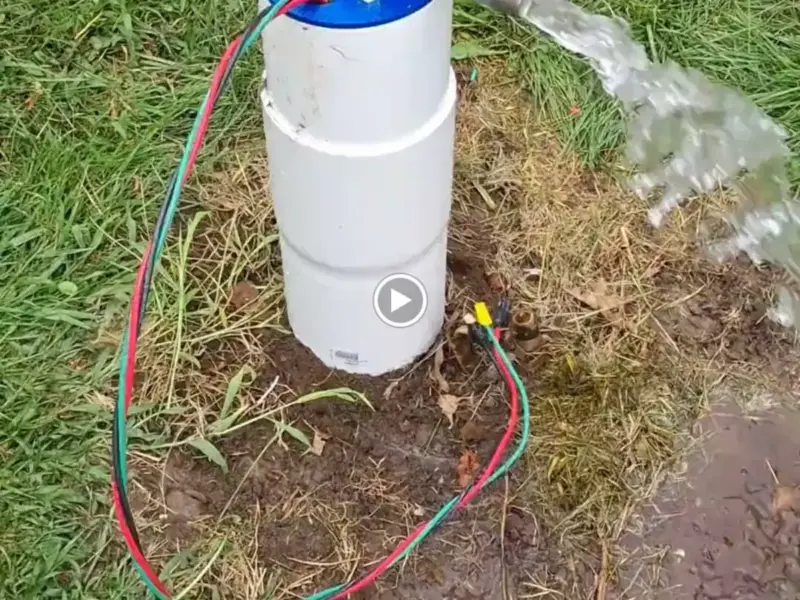
Homeowners and buyers usually want a straight answer: how much water does this well make, and will it keep up with the house? A flow or yield test is how we measure that on site. Depending on access and the agreed scope, we document:
- A sustained pumping and flow-rate test, showing how many gallons the well delivers while it runs
- Static and pumping water-level measurements
- Drawdown while the pump is running, and how the well recovers after it stops
Those figures help tell a low-yield well from a pump, tank or line problem. A pump that runs but delivers little water, or that shuts off on a low-pressure switch, may be outrunning the well. See well diagnostics and why a well runs out of water.
Standard inspection or a longer flow test?
Every standard well inspection already includes a sustained pumping and flow-rate test, water levels, and drawdown and recovery, along with pump and pressure-equipment checks. The written inspection report goes out the same day. For most buyers and homeowners, that visit answers the question.
A longer, separately quoted flow test makes sense when you need more data than one inspection visit gives you, such as:
- A purchase where you want a longer run before closing
- Adding a bathroom, a rental unit, livestock or irrigation
- A well that already runs short during normal use
We agree on the scope before the visit. Lab water testing and a well camera inspection are separate add-ons, done only when you ask for them. Lab results usually come back 2–3 business days after collection. Current inspection and testing rates are on our pricing page.
Testing mountain wells around Asheville
Most wells here are drilled into fractured rock, and the water comes in through cracks. Two wells a few hundred feet apart can act very differently, and a ridge-top well often gives less than one down in a hollow. Mountain wells also tend to give less in a dry fall than in a wet spring. That’s why we measure instead of guessing, and why the numbers describe that visit rather than promise a yield for every season.
We run flow tests from our Candler shop out to Asheville, Leicester, Weaverville, Black Mountain and Fairview, over to Canton and Waynesville, down to Hendersonville and Brevard, and up to Mars Hill and Marshall. If you can get the well record from the original driller or the county environmental health office, bring it. It may show the estimated yield when the well was finished, and it helps us compare.
- Asheville
- Candler
- Leicester
- Weaverville
- Black Mountain
- Fairview
- Canton
- Waynesville
- Hendersonville
- Brevard
- Mars Hill
- All towns and counties
Related: well inspections, well diagnostics, low water pressure and cisterns and storage tanks.
Common well flow test questions
Does a well inspection already include a flow test?
Yes. The standard well inspection includes a sustained pumping and flow-rate test, water levels, and drawdown and recovery. A longer flow test is a separate, quoted visit for when you need more data.
Is a flow test the same as a water test or a camera inspection?
No. A flow or yield test measures how much water the well delivers and how the water level responds. A lab water test checks what’s in the water, and a down-hole camera shows the inside of the well. They answer different questions and are added only when you ask.
Do the numbers tell me how the well will do next year?
No. They show how the well performed during the visit, not a guarantee of long-term yield. A well that tests fine in spring can run shorter in a dry fall.
Can a flow test tell me whether it’s the well or the pump?
Often, yes. Flow, water-level and recovery readings help separate a well that can’t keep up from a pump, tank or line problem. When the equipment is the issue, we move on to diagnostics and repair.
Can a storage tank help a low-yield well?
Often, yes. If the well recovers slowly, a cistern or storage tank can fill over the day so the house has enough when several fixtures run at once. Storage doesn’t make the well produce more water, and it won’t help a well that’s dry.
Want the well’s flow measured?
Send the address, what you need the test for, and any well records or pump information you have. We’ll call or text to confirm a time. If you have no water, call (828) 222-4160.