
Well Systems & Pump Repair
After heavy rain or flooding
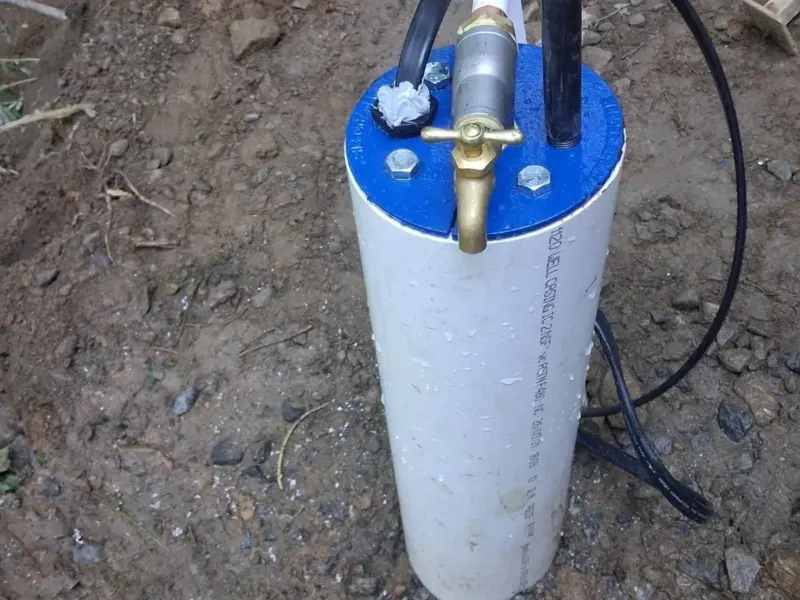
After flooding or heavy rain in Western NC, if floodwater or runoff reached your wellhead, do not drink the water until it has been tested. If the yard is soaked and drains are slow, ease off water use and keep vehicles off the drain field. Note what you see and call for an assessment; we help with wells, springs and septic after storms.
Power, safety and the first checks at the well
If water got near the wellhead, the pressure tank, the pressure switch or the electrical panel feeding the pump, turn the breaker off before you go near it. Do not wade through standing water to reach electrical equipment. Wait until it is dry and safe, or have someone qualified do it.
If you saw water over the top of the well, or the tap water turned brown or cloudy after the rain, stop drinking it. Do not cook with it, make ice with it or brush teeth with it until a lab says otherwise. From a safe spot, check whether the cap is on and tight and whether the vent screen is in place.
A cracked or missing cap, a casing at or below grade, or water pooled around the wellhead are the usual ways surface water gets in. A buried or hidden well cap is covered in why we extend well casings above grade.
A well often goes muddy after rain because runoff entered at the cap or through shallow fractures, or a spring box let silt in. See sediment filters if cloudiness is a regular problem. Do not keep running a pump that is pushing mud or air; that can damage it.
How a flooded well, spring or septic system comes back
The order we follow is safety and power first, then the cap and wellhead, then whether the pump can run without pushing mud, then disinfection and testing. We shock chlorinate when surface water may have entered, then arrange water testing. Laboratory testing is a separate add-on. If bacteria show up, see coliform bacteria in well water and, when a lasting fix is needed, UV treatment.
Springs and spring boxes are especially exposed after a storm. Check the lid, the overflow and whether silt or leaves got in. See spring box repair and spring inspections.
When the ground is full of water, ease off household use and keep vehicles and pump trucks off the drain field. Slow drains, a septic alarm, sewage at a lid or a soggy field are signs the system cannot keep up. Need your tank pumped?
Book it with us and we’ll set it up with a trusted local partner, then check the pump and alarm, the distribution box and the field. After the yard dries, a septic inspection is a good idea. If you are buying a home that has flooded, ask whether water stood over the wellhead, the tank or the drain field. A well and septic inspection covers what a walk-through will not show.
Septic repairs generally go through your county environmental health office, and the homeowner usually pulls the permit. We do not handle permits, but we can tell you what the repair involves so you know what to bring to the county. Follow your county health department’s guidance on drinking water after a flood.
Questions after a flood or heavy rain
Can I drink my well water after a flood or heavy rain?
Not until it has been tested. If floodwater or runoff reached the wellhead, or the water turned muddy, treat it as unsafe for drinking, cooking and brushing teeth. Use bottled water, and follow your county health department and the lab for when and how to sample. Boiling kills bacteria but does not remove chemicals or fuel that floodwater can carry.
Should I shock chlorinate my well after it floods?
If water covered the wellhead or got into the casing, disinfection is normally part of the recovery, and it is done after the pump, wiring and cap have been checked. Chlorination alone does not fix a damaged cap or a cracked casing, so we look at how water got in. See well chlorination.
Is it safe to turn the well pump back on after flooding?
Not if the wellhead, pressure switch or wiring got wet. Leave the breaker off, stay out of standing water near anything electrical, and have it checked first. Silt and water in the control box, switch or wiring are common reasons pumps trip or fail after a flood.
Should I have my septic tank pumped right after a flood?
Usually not while the ground is still saturated. An empty tank sitting in wet ground can be pushed up out of the soil, and pumping does not dry out a drain field that is under water. Wait for the ground to drain, cut back on water use, and have the system looked at. Need your tank pumped? Book it with us and we’ll set it up with a trusted local partner when it is the right call.
How do I know if heavy rain hurt my septic system?
Slow drains, gurgling, a septic alarm, a sewage smell, or soggy ground over the tank or drain field are the usual signs. A system that works again once the ground dries out may be fine, but one that keeps backing up after the water table drops needs an inspection.
Need help after the storm?
Send your address and what you are seeing. We’ll call or text to confirm a time. If you have no water or a septic backup, call (828) 222-4160.